1 min read
MIPS Made Easier With NextGen Office Cloud Based EHR
NextGen Office EHR/PM is now interfaced directly to CMS’s QPP site. Our latest release features an interface to the CMS Quality Payment Program or...
2 min read
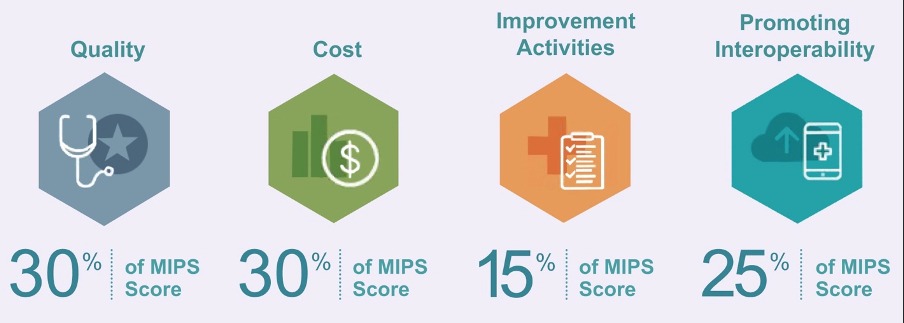
For ambulatory care practices using NextGen® Office, 2026 brings a more demanding MIPS reporting landscape than ever before. While the Merit-based Incentive Payment System (MIPS) remains a critical part of Medicare’s Quality Payment Program (QPP), new measures, updated scoring rules, and expanded reporting options mean practices must be more intentional about how they configure and use their EHR.
Below is a practical look at the biggest MIPS challenges in 2026 — and how they directly impact practices reporting through NextGen Office.
CMS made substantial updates to the MIPS quality measure inventory for 2026:
5 new quality measures added
Approximately 30 measures substantively changed
10 measures removed
For NextGen Office users, these changes often translate into the need to review templates, clinical workflows, and structured data fields to ensure measures are being captured correctly.
What this means in NextGen Office:
If providers document outside of structured fields or rely on outdated workflows, measures may not calculate correctly — even if the care was delivered. Practices must regularly validate that their documentation aligns with current MIPS logic inside NextGen Office.
The Improvement Activities category also changed in 2026, with new activities added and others modified or removed.
What this means in NextGen Office:
While some improvement activities are attestation-based, others rely on operational evidence such as care coordination, patient engagement, or access improvements. Practices need to ensure:
Supporting workflows exist within NextGen Office
Staff know where and how activities are documented
Attestations are backed by consistent system usage
Without alignment between real-world operations and EHR workflows, practices risk missed credit.
CMS continues to expand MIPS Value Pathways (MVPs), offering specialty-focused reporting options alongside traditional MIPS.
What this means in NextGen Office:
Not all MVPs align cleanly with existing NextGen Office reporting workflows. Practices must carefully evaluate:
Whether required MVP measures are supported
If additional configuration or reporting tools are needed
Whether staff workflows can realistically support MVP data capture
For some practices, traditional MIPS reporting may remain the more manageable option in 2026.
Promoting Interoperability continues to place emphasis on:
Electronic prescribing
Health information exchange
Digital reporting and electronic case reporting pathways
What this means in NextGen Office:
Success in this category depends heavily on system setup and user behavior. Practices must confirm:
Interfaces are active and functioning correctly
Required data elements are enabled and used consistently
Reporting outputs match CMS submission requirements
Even small configuration gaps can lead to lost points.
Although cost measures do not change significantly for 2026, CMS is providing feedback on new cost measures that may impact future performance.
What this means in NextGen Office:
NextGen Office data can be used to help identify patterns that influence cost, such as:
Referral behavior
Follow-up timing
Care coordination gaps
Practices that begin reviewing this data now will be better positioned when cost measures carry greater financial weight.
MIPS scoring is tied to how clinicians are attributed across TINs and NPIs — a challenge for practices with multiple providers or billing structures.
What this means in NextGen Office:
Provider setup, billing configurations, and reporting groups must be reviewed carefully. Incorrect attribution can lead to:
Multiple unintended MIPS scores
Missed reporting opportunities
Unexpected payment adjustments
For practices using NextGen Office, MIPS success in 2026 depends on more than simply “turning on” reporting. It requires:
Intentional EHR configuration
Provider and staff training on structured documentation
Ongoing monitoring of measure performance
Alignment between workflows and reporting logic
Without this alignment, practices may deliver high-quality care but still underperform in MIPS.
NextGen Office can be a powerful tool for MIPS reporting — but only when workflows, documentation, and reporting strategies are purposefully aligned with 2026 requirements.
Practices that proactively review their NextGen Office setup, educate providers, and monitor performance throughout the year will be far better positioned to avoid penalties and maximize incentives.

1 min read
NextGen Office EHR/PM is now interfaced directly to CMS’s QPP site. Our latest release features an interface to the CMS Quality Payment Program or...

1 min read
On July 13, the Centers for Medicare & Medicaid Services (CMS) released a 1,920-page proposed rule that would update payment policies and programs...

1 min read
On November 2, 2023, the Centers for Medicare and Medicaid Services (CMS) released the2024 Medicare Physician Fee Schedule (PFS) Final Rule, which...