1 min read
10 Signs Your Current EHR Is Holding Back Your Practice
Running a small medical practice means every minute and every dollar counts. Your electronic health record (EHR) system should make your work easier...
2 min read
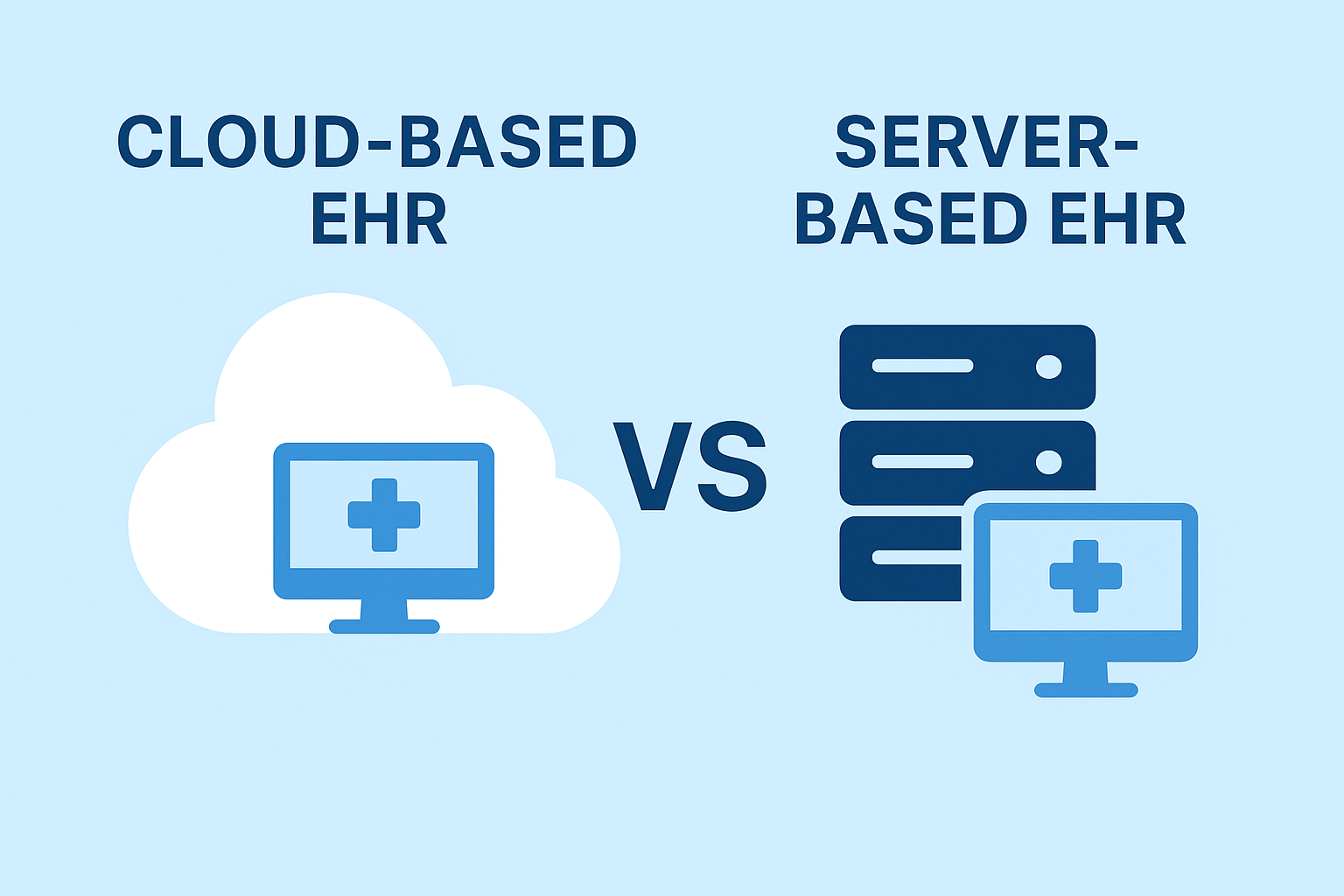
Choosing the right EHR has always been a major decision for medical practices, but in 2025 the stakes feel even higher. With ongoing reimbursement pressure, tighter compliance requirements, and rising patient expectations, your technology choices directly impact efficiency, revenue, and care quality. One of the biggest decisions you’ll face is whether to adopt a cloud-based EHR or maintain a server-based system.
Below is a breakdown of how both models compare—and what to consider when deciding which approach supports your goals for the year ahead.
Server-based EHRs store all data on physical servers maintained on-site. Historically, this model gave practices a sense of control and customization. However, this setup also requires significant upfront investments in hardware, ongoing IT maintenance, regular security updates, and contingency planning for downtime or outages.
Practices using server-based systems in 2025 often do so because of legacy workflows or the desire to manage everything in-house. But the long-term cost and resource burden can be substantial.
Cloud-based EHRs store and process data through secure remote servers accessible through the internet. This model minimizes hardware investments, eliminates most manual updates, and supports anytime/anywhere access—an advantage for multi-location practices and clinicians who need mobility.
In 2025, cloud-based EHR adoption continues to grow due to its scalability, lower maintenance overhead, stronger cybersecurity infrastructure, and ability to support virtual care models.
Server-based EHRs require upfront capital for servers, backups, networking equipment, and installation. Cloud systems typically operate on a subscription model with minimal hardware needs, reducing capital expenses and avoiding major upgrade cycles.
Cloud platforms—like those designed with smaller practices in mind—handle hosting, updates, and security behind the scenes, lifting a huge IT burden from providers.
Many practices assume on-premise servers are safer because they’re physically onsite, but modern cloud-based solutions often provide stronger, continuously updated security. Enterprise-grade encryption, redundant backups, and real-time monitoring are built into many cloud EHR Software, offering a level of protection difficult for a small IT team to match alone.
Cloud platforms engineered for healthcare—such as NextGen Office—are built to meet strict HIPAA and CMS requirements, automatically pushing updates and security patches without disrupting workflows.
Remote access has become essential, especially as telehealth and hybrid work environments continue. Server-based systems are usually limited to in-office networks unless additional, often cumbersome, remote-access setups are configured.
Cloud EHRs offer instant access from laptops, tablets, and mobile devices. Solutions like NextGen Office are specifically optimized for browser-based access, allowing clinicians to view patient records, document visits, and manage tasks from anywhere with an internet connection.
Practices that plan to grow, add specialties, or expand to new locations often find cloud systems much easier to scale. No new servers need to be purchased, and adding users or modules is straightforward.
Server systems may require hardware upgrades or new servers as the practice grows, increasing both cost and complexity.
Server-based systems rely on manual updates and scheduled maintenance windows. Cloud-based EHRs deliver automatic updates, ensuring your system is always current with regulatory changes, new features, and security enhancements.
This is an area where cloud solutions shine. For instance, NextGen Office deploys updates automatically, minimizing downtime and keeping practices compliant without extra effort.
If you operate a large health system with an extensive IT department and desire full control over your infrastructure, a server-based EHR may still serve your needs.
But for the majority of small to mid-sized practices, the shift toward cloud-based EHRs in 2025 makes practical and financial sense. Lower upfront costs, reduced maintenance, stronger security, and far greater flexibility make cloud platforms the more future-ready option—especially as healthcare moves toward greater digitization and distributed care models.
A cloud-based solution like NextGen Office can offer the accessibility and streamlined workflows private practices need—without the heavy infrastructure investment that comes with server-based systems. Because it’s built specifically for ambulatory practices, it combines mobility, compliance support, and intuitive design into a package that helps clinicians stay efficient and focused on patient care.


1 min read
Running a small medical practice means every minute and every dollar counts. Your electronic health record (EHR) system should make your work easier...

1 min read
Decreasing reimbursements and high deductible insurance plans mean today’s practice must take advantage of technology to ensure staff is working at...

1 min read
Discover the benefits of upgrading to a cloud-based Electronic Health Record (EHR) system and how it can revolutionize your medical practice.